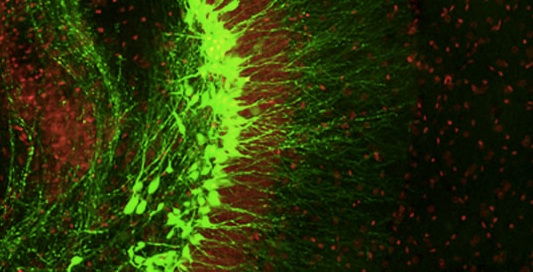
Donald Hebb coined the phrase, ‘neurons that fire together, wire together’. Any patterns of behavior that you perform frequently will, over time, become automatic. The more you perform these activities, the more your brain will run through the motions, firing the neurons for the movement, thought, and attention as rapidly and as quickly as possible. Over time, these activities require little conscious willpower – you are running down a very familiar route. The frequent, automatic movements have become entrenched pathways in your brain.
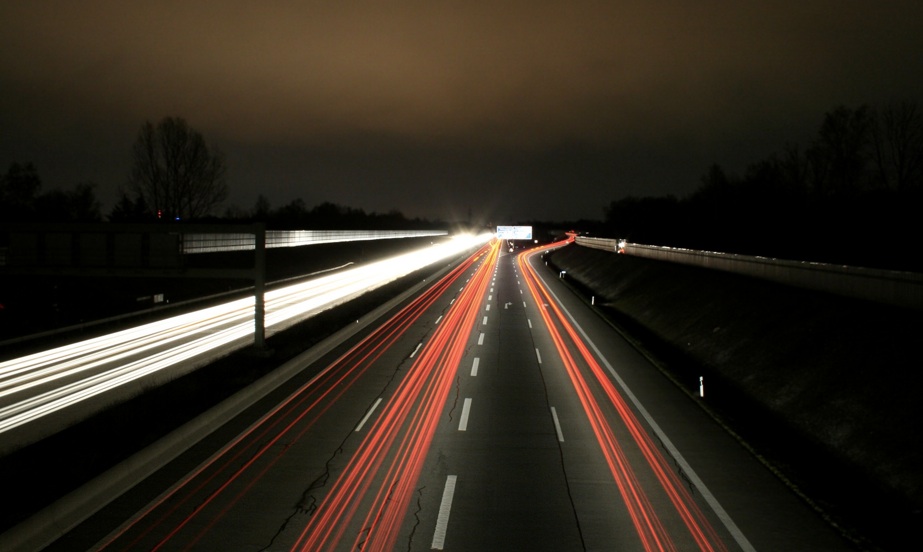
When you are driving on a busy highway, this is a huge advantage. The movement of your hands on the wheel, eyes scanning the road, feet on the pedals, it is all completely habitual and basically happens, ‘by itself’. You’ve learned to drive, and your brain has made what was once a difficult task, second nature.
Your brain does not judge your behaviors. You perform the patterns of behavior, and the brain works to save energy – it makes regular, repeated behaviors faster, smoother and more durable, whether or not those behaviors are in your best interest. It works just the same in strengthening and facilitating activities and habits that may be detrimental to your health and survival as it does in strengthening ones that are helpful. If you rush from one activity to the next all day without giving yourself time for pauses, your brain will adapt and you will become used to the day you have created.

So what happens when you are rushing from event to event, texting, multitasking, making lists and answering emails?
You are training your brain to leave out pauses, to disregard signals from your body and to forget about rest. Your brain will help you do that for as long as possible, but the consequences are stress, exhaustion and little energy for other kinds of activities.







 Strength and Resilience